Building a Rectenna (rectifying antenna)

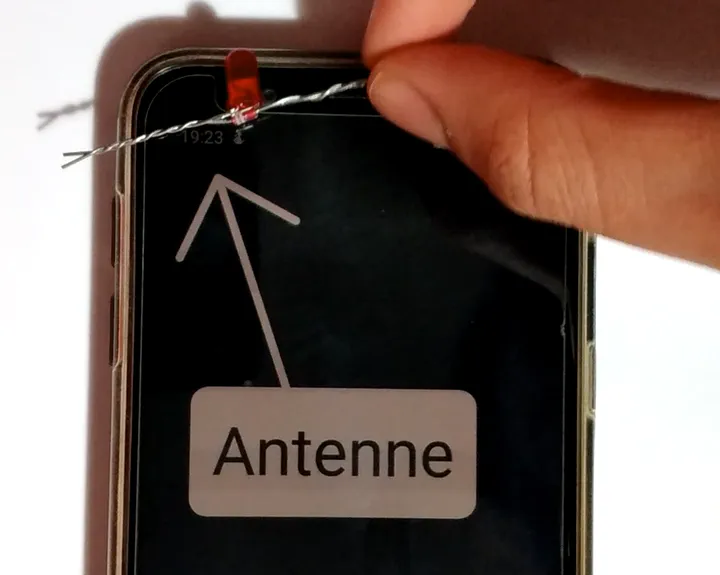 Image credit:
A lectenna, or rectenna (rectifying antenna), is a device that converts electromagnetic waves—such as Wi-Fi, Bluetooth, or other microwave signals—into direct current (DC) electricity. This technology, originally designed for applications like wireless power transmission in space, is now being explored as a potential source of sustainable, battery-free power for everyday devices.
In this project, I constructed a functional rectenna that successfully harvested power from the microwave signals emitted by a smartphone. The setup includes an antenna to capture RF (radio frequency) energy, paired with a carefully selected diode to rectify this AC (alternating current) signal into DC power. Selecting the right diode was a key challenge, as it needed to have a low forward voltage drop and fast switching capabilities to efficiently convert high-frequency RF signals. After experimenting with various diodes, I found one capable of rectifying the signal from my phone’s microwaves, demonstrating the rectenna’s ability to power low-energy devices directly from ambient microwave sources.
The rectenna’s working principle is both simple and innovative: the antenna captures electromagnetic waves from the environment, which create an AC current. The diode then rectifies this current, converting it into DC power that can be stored or used immediately. Although the power generated is small, it is sufficient to operate ultra-low-power devices under the right conditions.
The potential of rectenna technology is immense. Companies like Samsung are already exploring its applications, with plans to power television remotes by harvesting ambient Wi-Fi signals. This vision represents a step toward a future where small electronics can operate without batteries, creating a more sustainable approach to powering devices.